

South African honey is more than just a sweetener; it is a reflection of the land, seasons, and the bees that create it. Unlike processed honey, authentic South African honey captures the unique terroir of its environment, offering a product that is as diverse as the landscapes it comes from.
The terroir of South African honey
The term “terroir” is often associated with wine, but it applies equally to honey. South African honey derives its flavour and character from the nectar of local plants, particularly the fynbos species in the Western Cape. Each harvest is unique, influenced by the specific plants in bloom, the weather, and even the valley where the bees forage.
The role of beekeepers
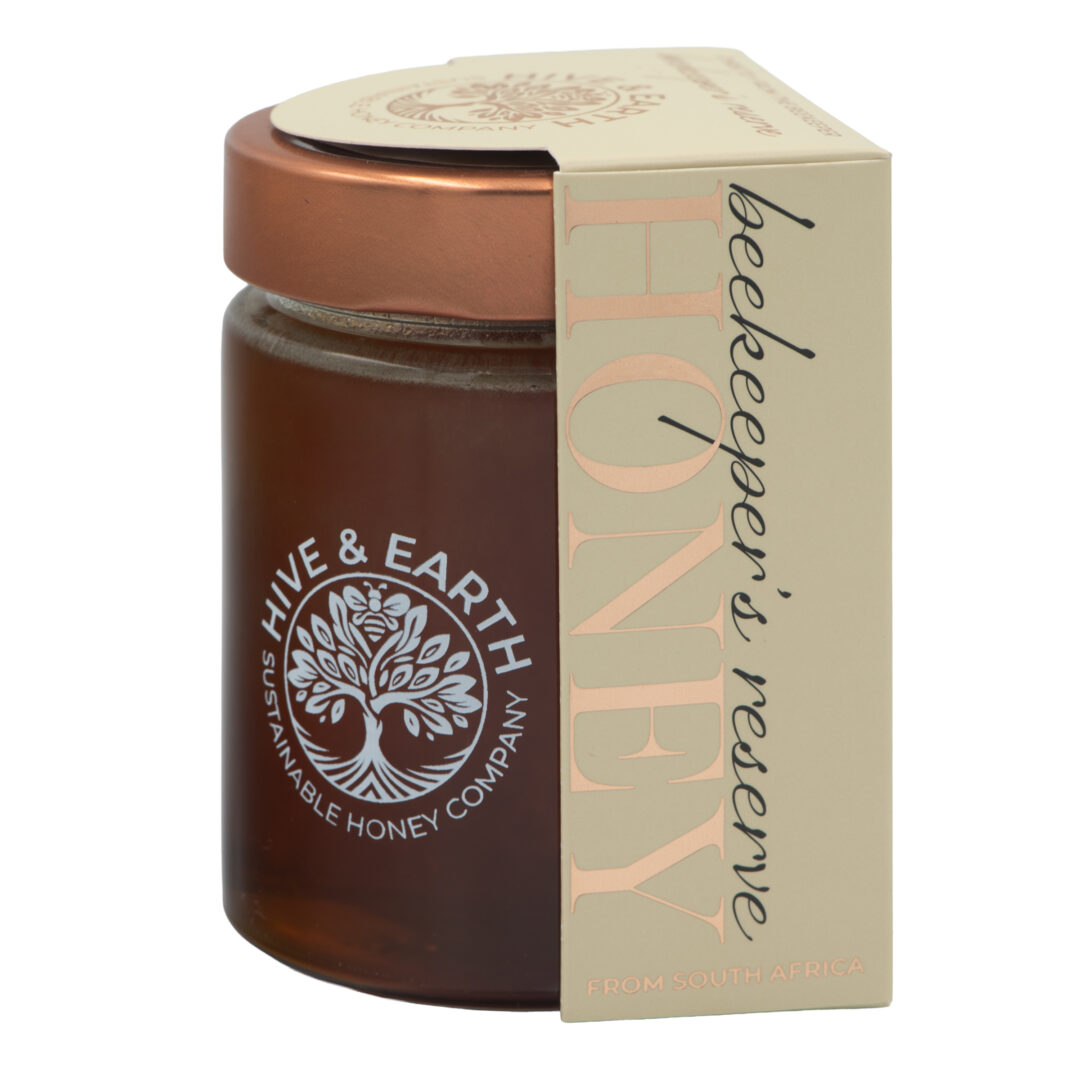
True honey is not manufactured; it is created by bees in harmony with their environment. Beekeepers play a crucial role in guiding and protecting this natural process. Hive & Earth’s “Bloom to Bottle” approach exemplifies this philosophy. By monitoring landscapes, flowering patterns, and nectar flows, they ensure that only capped honey is harvested. This method preserves the honey’s origin and authenticity.
The problem with processed honey
Many commercial honey producers heat and micro-filter their products to prevent crystallisation and extend shelf life. However, these processes strip the honey of its pollen, flavour, and natural texture. Crystallisation, often seen as a flaw, is actually a sign of raw, unprocessed honey.
Preserving the botanical identity
To maintain the unique characteristics of South African honey, it is essential to keep regional harvests separate and avoid heavy processing. This approach preserves the honey’s texture, aroma, and botanical identity, offering consumers a product that is as close to nature as possible.