


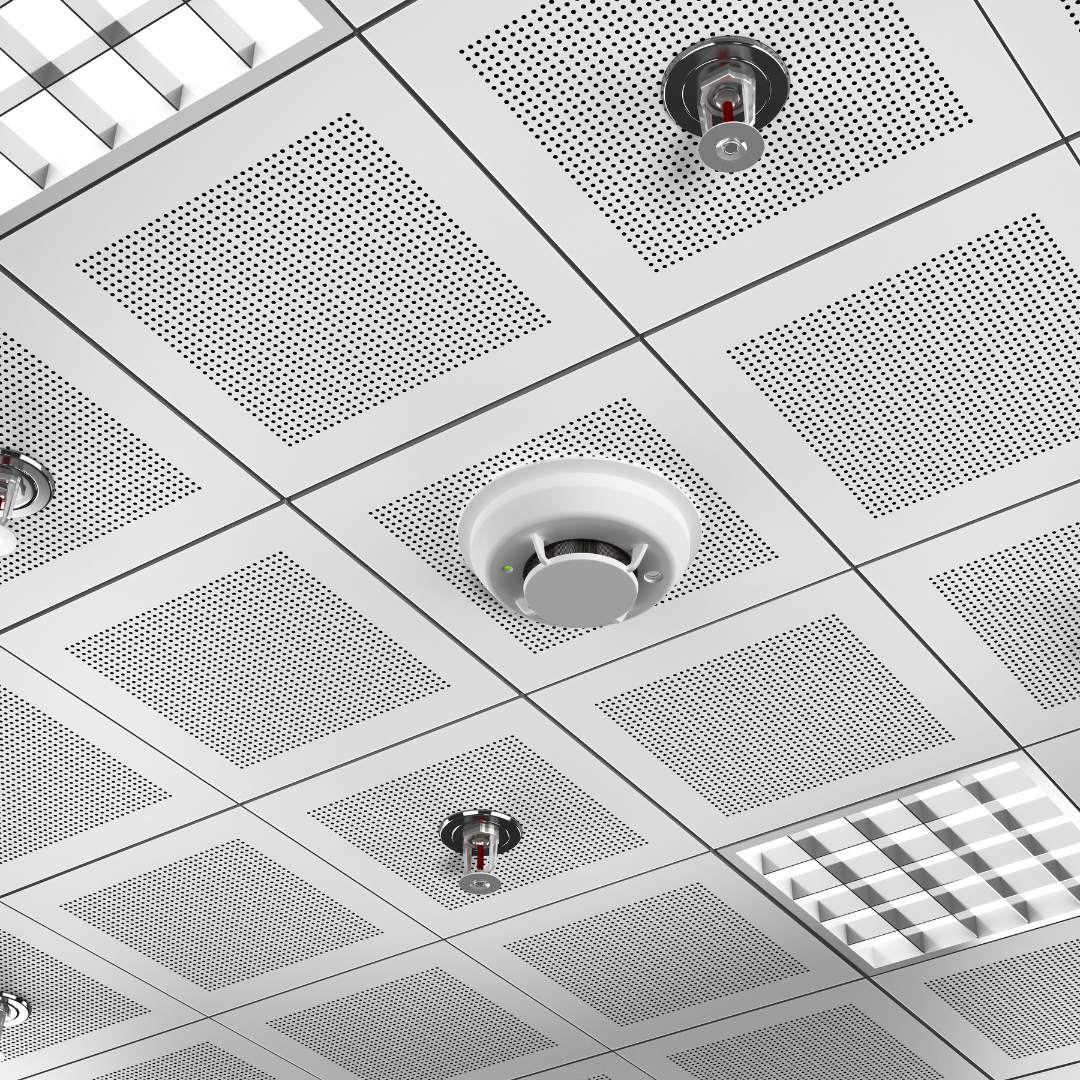
Fire system maintenance is a critical aspect of ensuring safety, compliance, and business continuity in South Africa. Regular servicing of fire detection and suppression systems not only protects lives but also ensures adherence to legal requirements such as the Occupational Health and Safety Act and SANS standards.

Legal & regulatory obligations
In South Africa, fire safety is governed by strict regulations, including the Occupational Health and Safety Act, SANS 10139, and SANS 1475. These laws mandate regular inspections and maintenance of fire systems to ensure they function effectively during emergencies. Non-compliance can lead to severe penalties, increased liability, and even loss of insurance coverage.
Common failure points in fire systems
Fire systems can fail due to various reasons, including:
- Faulty detectors and sensors
- Depleted or damaged batteries
- Corroded valves and pumps
- Environmental factors like coastal corrosion and industrial dust
Regular maintenance addresses these issues, ensuring the system’s reliability.
Environmental risks in South Africa
South Africa’s diverse environments pose unique challenges to fire systems. Coastal areas experience high levels of corrosion, while industrial zones face dust accumulation. Tailored maintenance plans are essential to mitigate these risks.

Maintenance process: Inspection, testing, and documentation
A comprehensive fire system maintenance plan includes:
- Inspection: Checking all components for wear and tear.
- Testing: Ensuring detectors, alarms, and suppression systems function correctly.
- Documentation: Keeping detailed records for compliance and insurance purposes.
Business benefits of regular maintenance
Investing in fire system maintenance offers several advantages:
- Business continuity: Minimises downtime caused by fire incidents.
- Insurance compliance: Maintains eligibility for claims.
- Risk management: Reduces liability and enhances safety.
Choosing accredited technicians
Always hire accredited professionals for fire system maintenance. Look for certifications such as SABS, FPASA, and SAQCC to ensure quality service.
When to upgrade or adapt systems
Fire systems should be upgraded or adapted when:
- New regulations are introduced.
- The building undergoes significant changes.
- The system shows signs of ageing or inefficiency.

