



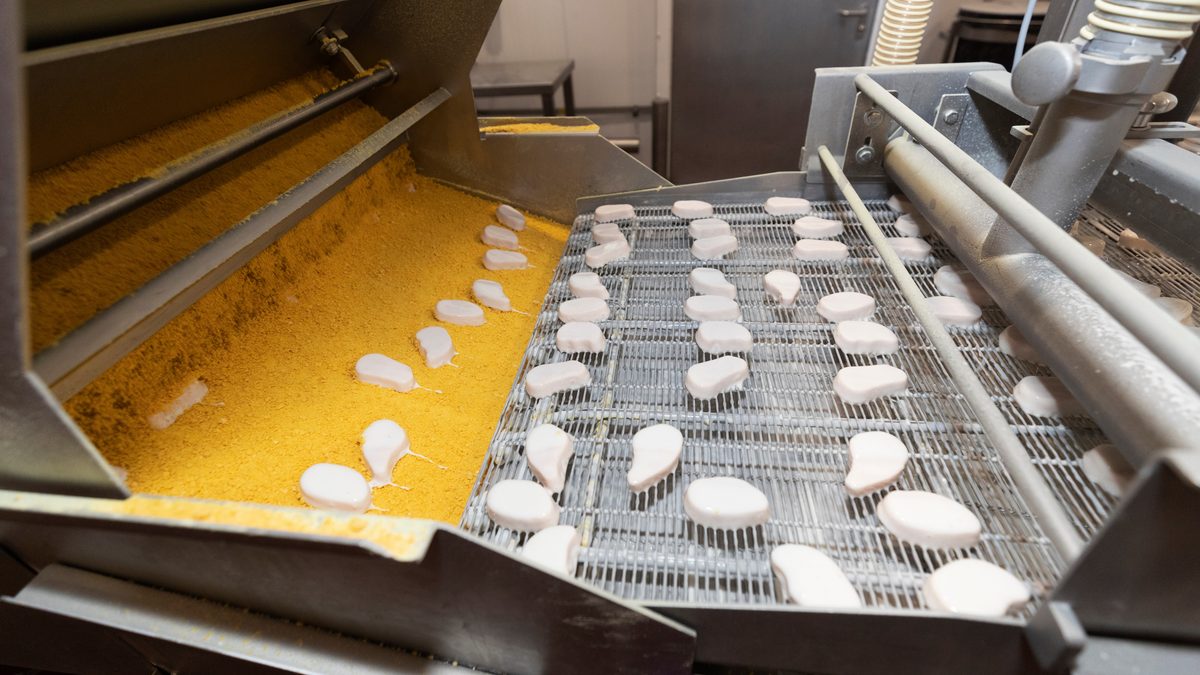
Tegman is helping South Africa’s meat, fish and poultry processors rethink the cost of inefficiency — proving that smarter conveying, screening and filtration can recover product, reduce waste and protect profit margins.

Every kilogram of meat, every litre of process water and every minute of production has value. Yet many processing plants unknowingly lose thousands of rand every day through inefficient screening, inadequate filtration and avoidable downtime. In today’s competitive food industry, engineering decisions are no longer maintenance decisions, they are business decisions. Across South Africa’s meat, fish and poultry industry, manufacturers face increasing pressure to improve productivity while maintaining exceptional hygiene, reducing water consumption and complying with strict food safety standards.
The hidden cost of product loss
Consumers demand quality, retailers expect consistency, and processors must deliver more with fewer resources. The question every processor should ask is simple: Is your plant operating at its full potential? One of the greatest hidden costs in food processing is product loss. Valuable proteins, fats and fine solids are often discharged into wastewater before they can be recovered. These losses reduce yield, increase disposal costs and place unnecessary pressure on wastewater treatment systems. Recovering even a small percentage of products can significantly improve profitability while supporting sustainability objectives. At Tegman, we believe engineering is about solving problems rather than simply replacing components. We work alongside maintenance managers, engineers and production teams to understand each process, identify inefficiencies and recommend engineered solutions that improve plant performance, maximise product recovery and reduce operating costs.
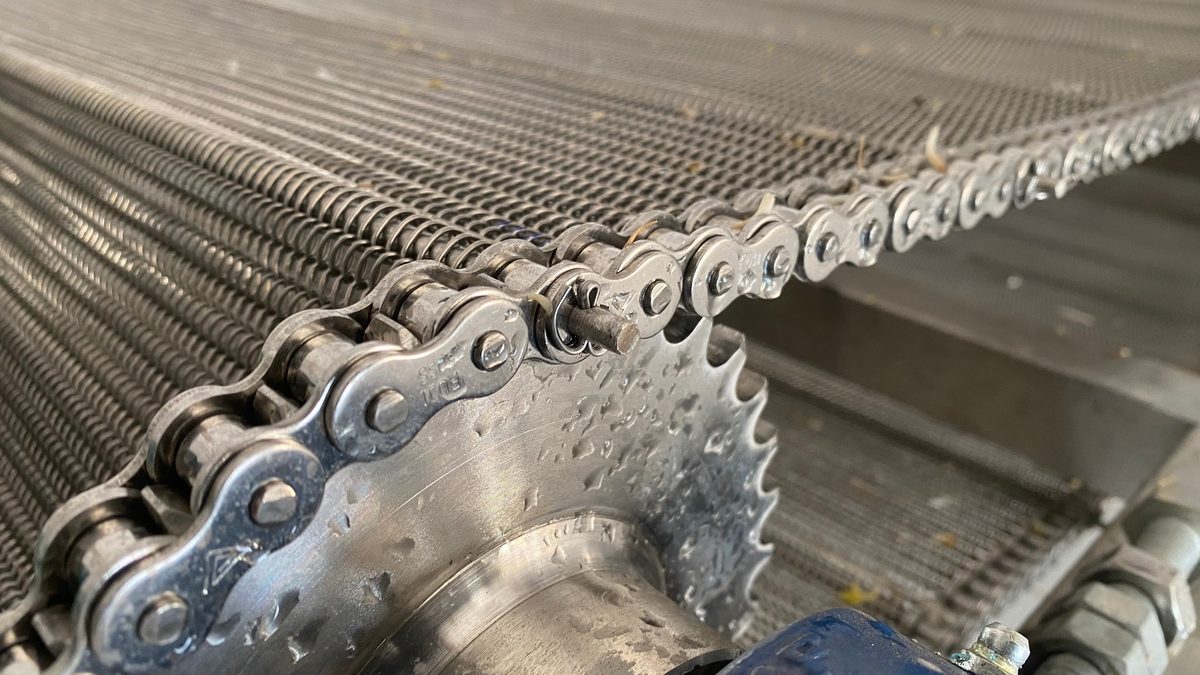
Reliable conveying remains essential throughout every processing facility. Stainless steel wire conveyor belts provide outstanding airflow, drainage, cleanability and corrosion resistance, making them ideal for washing, cooking, smoking, cooling, freezing and packaging applications. Tegman’s range includes Balance Weave, Honeycomb, Flat Flex, Rod Network, Eyelink, Plate Belts and Spiral Freezer Belts, each designed to deliver dependable performance in demanding food processing environments. Their hygienic open construction supports food safety, improves airflow, simplifies cleaning and extends service life. Keeping production moving is only part of the solution.
Filtration benefits
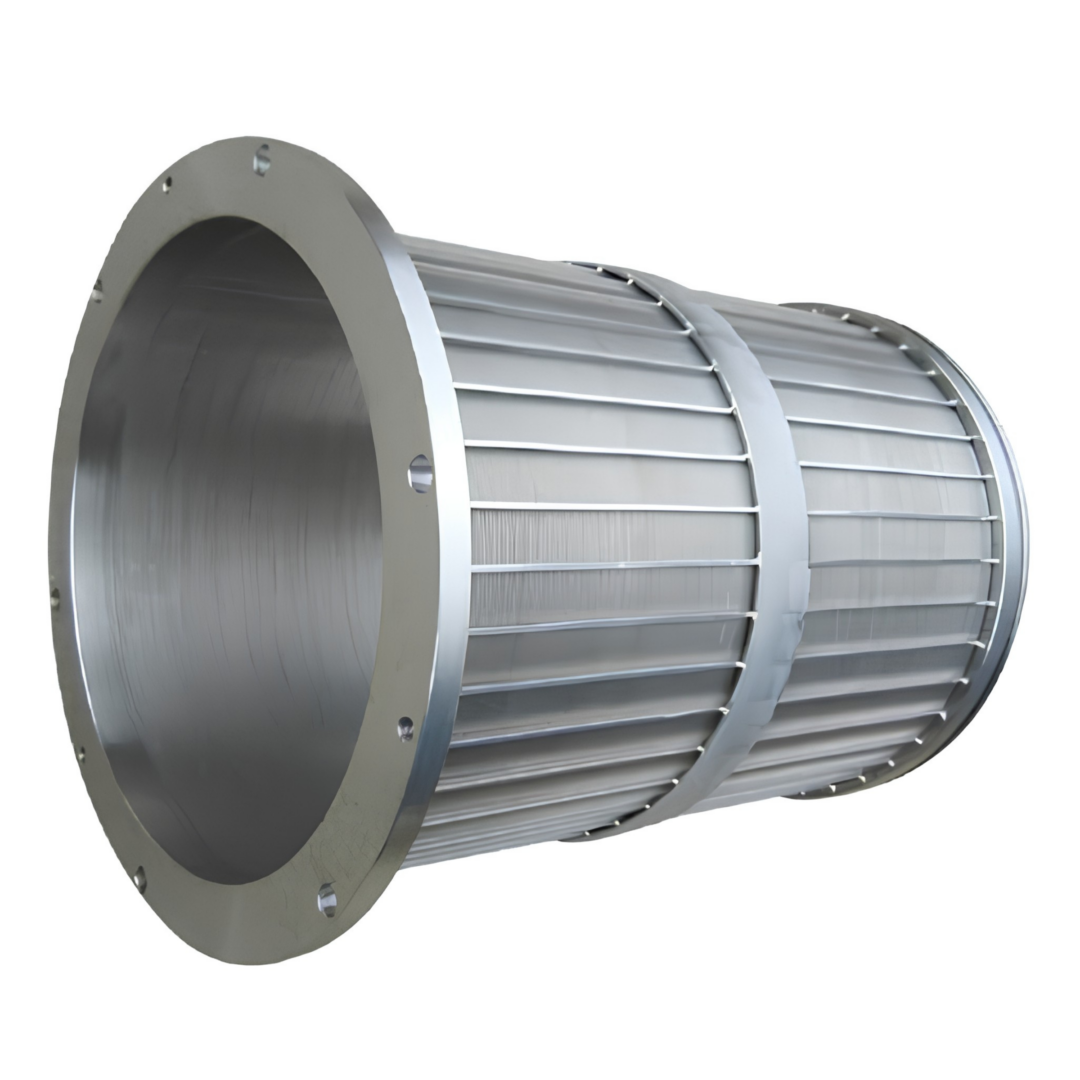
Tegman’s Rotary Drum Filters continuously separate solids from liquids, recovering valuable products before it enters wastewater systems. This reduces disposal costs, lowers the load on downstream treatment plants, improves water quality and supports environmental compliance. As water becomes an increasingly valuable resource, efficient filtration is no longer simply an environmental initiative—it is a strategic investment that improves operational efficiency, profitability and sustainability. Every processing plant is different. Product characteristics, flow rates and production volumes vary considerably. Tegman’s engineered filtration systems are designed around each customer’s application, ensuring optimum performance, long service life and reliable operation. Precision screening is equally important. Wedge wire screens, wedge wire baskets, cylindrical screens, perforated plate and woven wire products improve separation efficiency, protect downstream equipment and deliver accurate filtration in hygienic processing environments.
Reverse engineering
One of Tegman’s greatest strengths is reverse engineering. When OEM components become obsolete, difficult to source or prohibitively expensive, our engineering team analyses existing equipment, reproduces critical components and often improves the original design. Preventative maintenance also contributes to improved productivity. Routine inspections of conveyor belts, screening equipment and filtration systems reduce unexpected downtime, extend equipment life and lower total ownership costs. Every recommendation is based on application knowledge, proven engineering principles and a commitment to delivering measurable value. Whether upgrading existing equipment or designing a new installation, Tegman focuses on reliability, hygiene, efficiency and long-term performance.
The complete solution
Manufacturers investing in automation, sustainability and operational excellence require engineering partners that understand food processing. Tegman combines technical expertise with practical manufacturing experience to deliver complete engineering solutions, including stainless steel wire conveyor belts, spiral freezer belts, rotary drum filters, wedge wire products, perforated plate, woven wire, custom fabrication, reverse engineering, process optimisation and plant assessments. If your facility is experiencing blocked filters, excessive product loss, recurring downtime, rising maintenance costs or increasing wastewater treatment expenses, the solution may not be replacing components—it may be re-engineering the process. From processing to packaging, every stage presents an opportunity to improve efficiency, reduce waste and increase profitability.
Tegman works closely with customers to develop practical, application-specific solutions that improve uptime, recover more product, minimise waste, strengthen food safety, reduce operating costs and deliver sustainable long-term performance. Contact Tegman to discover how an engineered assessment of your conveying, screening and filtration systems can unlock measurable improvements in efficiency, sustainability and long-term profitability.

